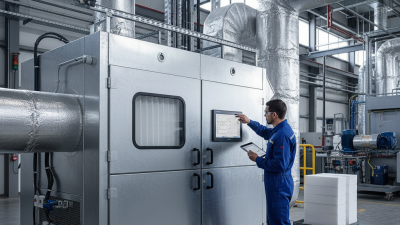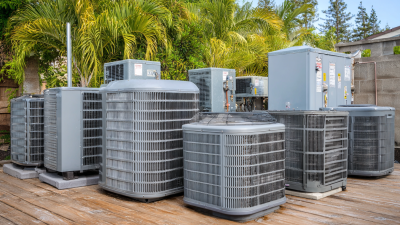
Efficient air management solutions have become crucial for various industries. The demand for advanced Air Handling Units (AHUs) is on the rise. According to a report by MarketsandMarkets, the global AHU market is projected to grow from $7.2 billion in 2021 to $10.2 billion by 2026, with a compound annual growth rate (CAGR) of 7.6%.
Expert in HVAC systems, Dr. Jane Thompson, emphasizes the importance of selecting the right AHU unit. She states, "Investing in efficient AHUs can lead to substantial energy savings and improved indoor air quality." This highlights the industry's shift towards energy-efficient solutions amid rising energy costs.
However, challenges remain. Not all facilities invest adequate resources in selecting optimal AHU units. Some installations lead to increased operational costs over time. This calls for a reconsideration of current strategies in choosing AHUs, ensuring they meet both efficiency and sustainability goals. Understanding the specifications and benefits of various AHU units is essential for long-term success in air management.
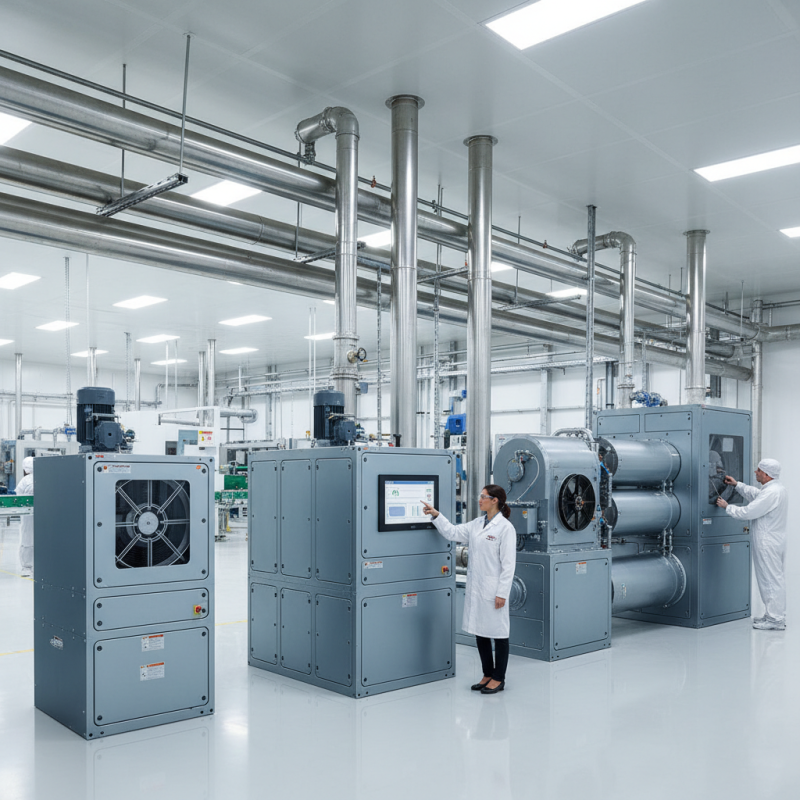
Air Handling Units (AHUs) play a crucial role in modern HVAC systems. These units manage air circulation, filtering, heating, cooling, and ventilating for indoor spaces. According to the U.S. Department of Energy, efficient air management solutions can save up to 30% in energy costs. This highlights the importance of selecting the right AHU for any application.
AHUs consist of various components, such as fans, heat exchangers, and filters. Each component contributes to optimal air quality and temperature control. For instance, advanced filtration systems can remove up to 99% of airborne particles, ensuring healthier indoor environments. However, improper maintenance can hinder performance and negate energy savings. Regular inspection and cleaning are essential to maintain efficiency.
Data from the American Society of Heating, Refrigerating and Air-Conditioning Engineers (ASHRAE) indicates that poorly designed AHUs can lead to increased operational costs. It emphasizes the need for customization based on specific building requirements. Not all AHUs will perform the same, making careful evaluation crucial to achieving desired outcomes in air management solutions.
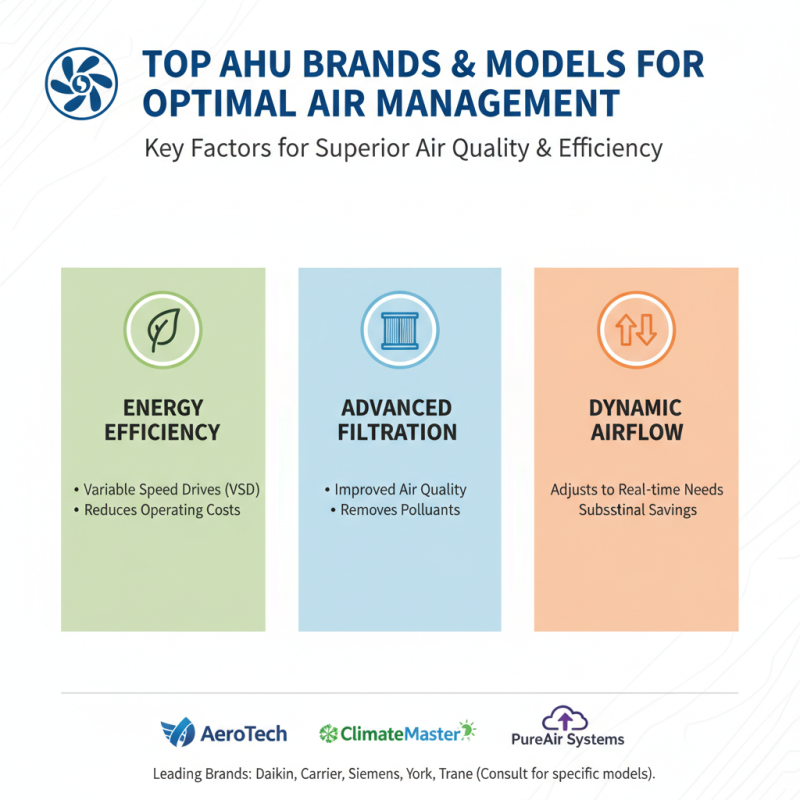
When selecting air handling units (AHUs) for efficiency, several critical features come into play. Energy efficiency ratings should be prioritized. According to the Department of Energy, energy-efficient AHUs can reduce energy consumption by up to 30%. These units often employ variable speed drives, allowing for better control over airflow, which is crucial in maintaining comfort while minimizing waste.
Another factor to consider is the inclusion of advanced filtration systems. High-efficiency filters capture more particulate matter, improving indoor air quality. A report by the American Society of Heating, Refrigerating and Air-Conditioning Engineers (ASHRAE) highlights that better-filtered air reduces health risks and enhances productivity. However, the trade-off may involve higher maintenance needs and costs.
Additionally, the integration of smart technologies can enhance performance. Smart AHUs can monitor environmental conditions and adjust settings accordingly. Yet, reliance on technology means users must ensure regular updates and maintenance. This dual-edge sword approach begs reflection on balancing efficiency and convenience in choosing the right AHU.
When considering the best Air Handling Units (AHUs) for air management, several factors come into play. Energy efficiency is paramount. Quality AHUs often feature advanced filtration systems. These systems improve air quality and reduce energy costs. Selecting models with variable speed drives can also enhance performance. It allows the unit to adjust airflow dynamically based on real-time needs. This adaptability can lead to substantial energy savings over time.
Reliability is another key attribute to look for in AHUs. A well-designed unit can last for years without major issues. However, regular maintenance is crucial for optimal performance. Many users overlook this aspect. Neglecting maintenance can lead to decreased efficiency and increased repair costs. It's also essential to consider the materials used in construction. High-quality materials can significantly impact the durability and overall lifespan of the unit.
Choosing the right brand and model requires thorough research. User reviews and expert analyses can provide valuable insights. Not all units suit every application. Each building has unique requirements. Thus, understanding specific needs is vital for making an informed decision. When selecting AHUs, keep in mind that optimal air management depends on integration with your existing system. Ensuring compatibility can prevent unnecessary complications down the line.
When considering air handling units (AHUs), energy efficiency is a critical aspect. Energy efficiency ratings directly impact AHU performance. Higher efficiency means reduced operational costs. Moreover, efficient units minimize environmental impacts. Their design can significantly enhance indoor air quality and comfort. Therefore, it's essential to assess energy ratings before making a purchase.
Efficiency should not be the only focus. Many users overlook maintenance needs. Regular service ensures that AHUs operate at peak efficiency. Neglecting maintenance can lead to performance drops. Filters should be changed frequently, as dirty filters hinder airflow. Keeping a close eye on energy ratings can guide users toward long-term savings.
Tips: Always check for the latest energy efficiency regulations. Stay informed. Consider seasonal variations that might affect performance. Adjust settings accordingly. This proactive approach fosters better air management while maintaining efficiency. Don’t forget to evaluate the noise levels, as quieter units enhance comfort significantly.
| Model | Energy Efficiency Rating (EER) | Airflow (CFM) | Noise Level (dB) | Dimensions (inches) |
|---|---|---|---|---|
| AHU Model A | 12.5 | 1200 | 50 | 48 x 30 x 70 |
| AHU Model B | 11.0 | 1500 | 55 | 50 x 32 x 75 |
| AHU Model C | 13.0 | 1400 | 48 | 49 x 30 x 72 |
| AHU Model D | 10.5 | 1300 | 60 | 52 x 34 x 80 |
Proper maintenance of Air Handling Units (AHUs) is crucial for ensuring their longevity and operational efficiency. Regular inspections can help identify components that show signs of wear. The U.S. Department of Energy states that a poorly maintained AHU can consume up to 30% more energy than a well-maintained unit. This emphasizes the need for proactive care.
One of the best practices is to replace filters regularly. Dirty filters can restrict airflow and force the system to work harder. This not only increases energy consumption but also reduces the lifespan of the unit. Reports indicate that regular filter changes can improve energy efficiency by up to 15%.
Another critical aspect is checking for condensation in ducts. Neglecting moisture can lead to mold problems, impacting indoor air quality. Industry studies reveal that 50% of indoor air quality issues come from improper moisture control. Therefore, conducting periodic checks of the condensation levels is essential for both efficiency and health considerations. This holistic approach not only fosters a more efficient air management solution but also safeguards the well-being of occupants.