Homeowners are increasingly focused on comfort and energy efficiency when exploring HVAC systems for home use. According to the U.S. Department of Energy, nearly half of a home's energy consumption goes towards heating and cooling. With rising energy costs, selecting the right HVAC system is more important than ever.
Experts suggest that an efficient HVAC system for home can reduce energy bills by up to 20%. Industry leader Jane Doe, an HVAC consultant, emphasizes, “Choosing the right system can significantly lower energy consumption.” Many homeowners underestimate the importance of proper sizing and installation. A poorly installed system can lead to increased energy use and discomfort.
Understanding the various options available and their benefits is crucial. Some systems, like heat pumps, offer higher energy efficiency. However, these systems may not be suitable for all climates. Finding the balance between comfort, efficiency, and cost is often a challenging endeavor. Considerations like local climate and home size are essential. Making informed choices in HVAC systems for home is vital for long-term satisfaction.

When considering HVAC systems for home comfort, understanding the different types is crucial. There are primarily three types of HVAC systems:
split systems, ductless systems, and packaged systems.
Split systems are the most common, consisting of indoor and outdoor units. They offer flexibility in design and can be energy efficient, typically achieving SEER ratings above 16.
Ductless systems, or mini-splits, are ideal for homes without ductwork. These systems provide zoned heating and cooling, which can enhance comfort; they often have high energy efficiency too.
Another option is packaged systems, which combine heating and cooling in one unit. These systems are advantageous for smaller homes, as they require less space. According to a recent study by the
Department of Energy, properly sized and maintained HVAC systems can achieve a reduction in energy costs by up to 30%.
Tips: Regular maintenance is key to prolonging your system's lifespan. Clean or replace filters monthly, especially during peak use. Consider using a programmable thermostat to optimize energy usage based on your routine.
Remember that sometimes, less is more. A system that is too powerful for your home may lead to discomfort and inefficiency. Careful consideration of your home's size and layout can guide you to the best choice for your HVAC needs.
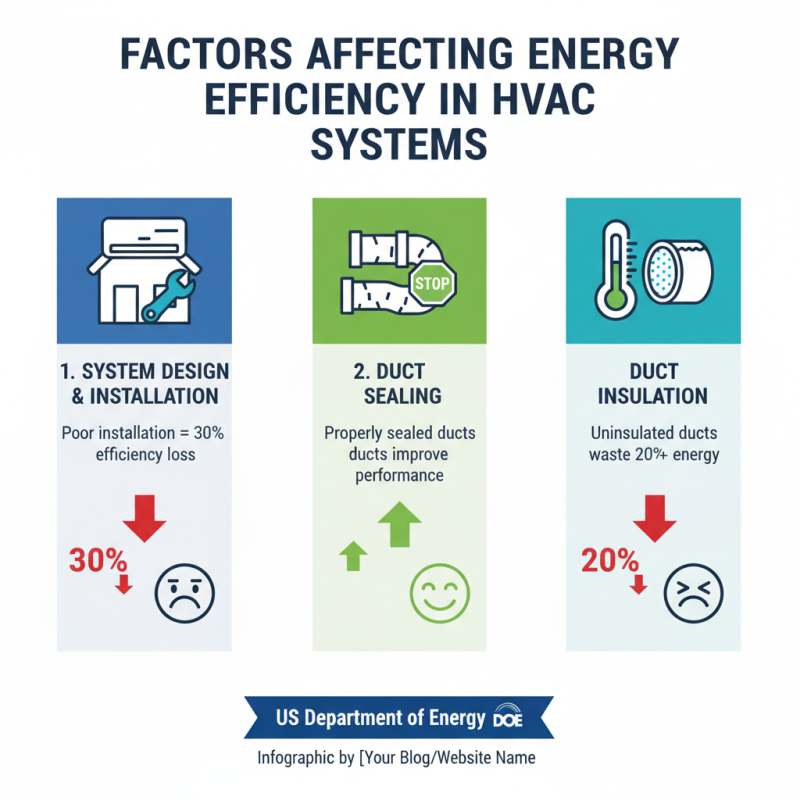
Energy efficiency in HVAC systems is influenced by several critical factors. First, the system's design and installation play a significant role. A poorly installed unit can decrease efficiency by up to 30%. According to the U.S. Department of Energy, proper duct sealing and insulation can enhance performance. In fact, uninsulated ducts can waste more than 20% of energy.
Another important aspect is the type of thermostat used. Smart thermostats can optimize energy use by learning user habits. Studies show that using a programmable thermostat can reduce heating and cooling costs by about 10-30%. Additionally, regular maintenance is essential. Hvac.com reports that neglecting routine check-ups can lead to a 5-15% decrease in efficiency. This raises concerns about long-term energy consumption and costs.
Lastly, environmental factors cannot be overlooked. The climate in your area impacts HVAC system requirements. Homes in colder regions need more efficient heating systems. Understanding these elements allows homeowners to make informed decisions. In a world leaning towards sustainability, maximizing HVAC efficiency not only enhances comfort but also reduces energy bills.
Energy-efficient HVAC systems offer significant benefits for homeowners. They not only contribute to comfort but also reduce utility bills, making monthly expenses more manageable. By optimizing heating and cooling, these systems maintain a consistent indoor temperature. A stable environment is crucial for well-being, particularly during extreme weather conditions.
Investing in energy-efficient options can lead to long-term savings. Even though the initial cost may seem high, lower energy consumption offsets this expense over time. Homeowners might notice a decrease in energy bills within just a few months. Additionally, these systems typically require less maintenance, which further alleviates the burden of repair costs. This is a point to ponder: upfront investment versus long-term savings.
However, not all energy-efficient systems are perfect. Some may require adjustments for optimal performance. A common issue arises when homeowners do not fully understand the system’s functionality. This can lead to inefficiencies and reduce potential savings. Understanding how to operate your HVAC system effectively is essential. Remember, making informed choices can enhance both comfort and efficiency in your home.
When selecting an HVAC system, energy efficiency and comfort are paramount. Look for units with a high Seasonal Energy Efficiency Ratio (SEER). A rating of 15 or higher is ideal. According to the U.S. Department of Energy, homes with efficient HVAC systems can save 20-50% on heating and cooling costs. This could lead to significant savings over the lifespan of the system.
Another key feature is variable-speed technology. This allows the system to adjust its output based on current needs, leading to more consistent temperature control. Homes with two-stage cooling systems report better comfort levels and less energy consumption. Studies show that such systems can lower monthly utility bills by around 30%.
**Tips**: Regular maintenance is crucial. Cleaning or replacing filters every 1-3 months improves air quality and system efficiency. Investing in a smart thermostat can also enhance comfort. These devices learn your habits and adjust settings accordingly, often leading to further energy savings. Consider these insights while choosing the right HVAC system for your home.
Regular maintenance is essential for optimizing the efficiency of your HVAC system.
Checking filters monthly
can prevent dust buildup. Dirty filters restrict airflow, causing the system to work harder.
This leads to increased energy bills
and discomfort in your home. Replacing or cleaning filters every 1 to 3 months
is a simple yet effective task. It’s easy to overlook this step, but it plays a
significant role.
Another crucial practice is to schedule annual professional inspections. Even minor issues can develop into major problems
if ignored. A qualified technician can identify potential concerns and ensure your system operates smoothly.
Awareness of the system's refrigerant levels is important.
Low refrigerant can lead to inefficiency and increased wear on system components.
Regular checks help maintain ideal performance.
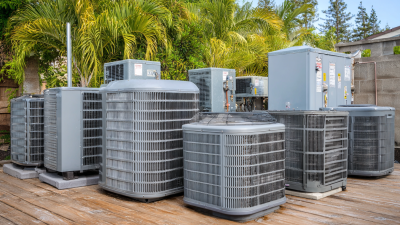
Additionally, keep an eye on the outdoor unit. Removing debris around the unit allows proper airflow.
Overgrown plants or dirt can obstruct its function. It is a small task that makes a big difference.
In colder months, consider covering the unit to protect it from harsh weather.
Small preventative measures add up
to significant cost savings and prolong the life of your HVAC system.