Skip to content

How to Choose the Right HVAC System for Your Business Efficiency and Savings

In today's competitive marketplace, selecting the right business HVAC system is crucial not only for maintaining a comfortable environment but also for enhancing operational efficiency and achieving significant cost savings. According to the U.S. Department of Energy, HVAC systems can account for up to 40% of a business's energy consumption. This makes the selection process not just a matter of comfort but also a vital financial decision that can impact a company's bottom line.

An efficient business HVAC system can lead to a reduction in energy costs by approximately 20-50%, making it essential for business owners to invest in systems that meet their specific needs and operational demands. Furthermore, the 2022 Energy Information Administration report indicates that implementing energy-efficient HVAC solutions can result in substantial emissions reductions, contributing to a company's sustainability goals while also appealing to increasingly eco-conscious consumers.

As businesses face rising energy costs and heightened environmental regulations, understanding the nuances of HVAC technology becomes imperative. Choosing the right system tailored to your unique business environment can ensure optimal performance, enhanced employee productivity, and maximized savings over time. In the following sections, we will delve deeper into the key considerations for selecting a business HVAC system that aligns with both efficiency and fiscal prudence.
How to Choose the Right HVAC System for Your Business Efficiency and Savings

Understanding HVAC Systems: Types and Features

When selecting an HVAC system for your business, it's essential to understand the various types and features available. HVAC systems can generally be categorized into central systems, ductless mini-splits, and packaged systems. Central systems use a network of ducts to distribute heated or cooled air throughout the building, making them suitable for larger spaces with multiple rooms. Ductless mini-splits, on the other hand, offer flexibility and efficiency for smaller areas or buildings without existing ductwork. These systems consist of an outdoor compressor and one or more indoor units, allowing for zoned temperature control.

Additionally, different HVAC systems come with distinct features that can significantly impact their performance and efficiency. Key features to consider include variable-speed motors, which provide more precise temperature control and energy savings; programmable thermostats that enable automated climate management; and advanced filtration systems that improve indoor air quality. By understanding these components, businesses can choose an HVAC system that not only enhances comfort but also maximizes energy savings, contributing to overall operational efficiency.

How to Choose the Right HVAC System for Your Business Efficiency and Savings

Type of HVAC System Features Efficiency Rating (SEER/EER) Average Cost ($) Suitable for
Central Air Conditioning Even cooling, quiet operation, energy-efficient 14 - 24 SEER $3,000 - $7,000 Large offices, retail stores
Ductless Mini-Split Flexible installation, zone control, no ductwork needed 15 - 30 SEER $2,000 - $5,000 Small to medium-sized spaces
Packaged HVAC Systems All-in-one system, saves space, easy to install 13 - 16 SEER $5,000 - $10,000 Warehouses, shopping centers
Geothermal HVAC High efficiency, environmentally friendly, long lifespan 20 - 30 EER $10,000 - $30,000 Businesses looking for sustainability
Hybrid Heating Systems Combination of gas and electric, energy savings Varies $4,000 - $8,000 Moderate climates, varying load requirements

Assessing Your Business's Heating and Cooling Needs

How to Choose the Right HVAC System for Your Business Efficiency and Savings

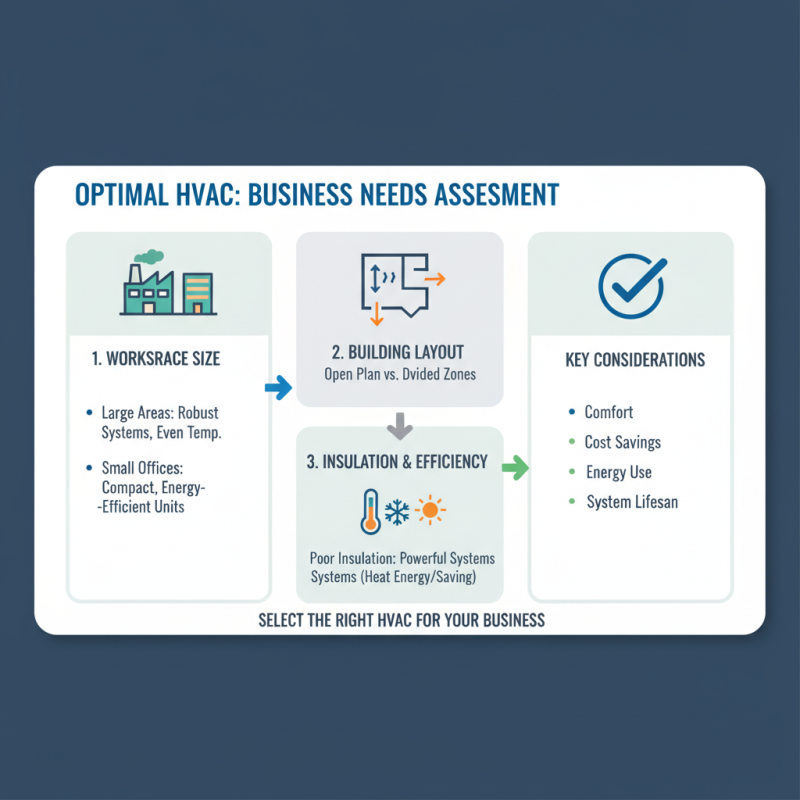
Assessing the heating and cooling needs of your business is crucial for selecting the right HVAC system. Start by evaluating the size of your workspace. Larger areas may require more robust systems to ensure even temperature distribution, while smaller offices could benefit from compact, energy-efficient units. Additionally, consider the layout and insulation of your building; areas with poor insulation might need more powerful systems to compensate for heat loss in winter or heat gain in summer.

Next, take into account the specific activities taking place within your business. For instance, if your operations generate significant heat, such as in kitchens or manufacturing plants, you may need a more powerful cooling system to maintain a comfortable environment. Additionally, assess the number of employees and customers who frequently occupy the space, as this can impact the overall cooling and heating load. By thoroughly analyzing these aspects, you can make an informed decision that enhances both efficiency and savings for your business.

Energy Efficiency Ratings and Their Importance

How to Choose the Right HVAC System for Your Business Efficiency and Savings

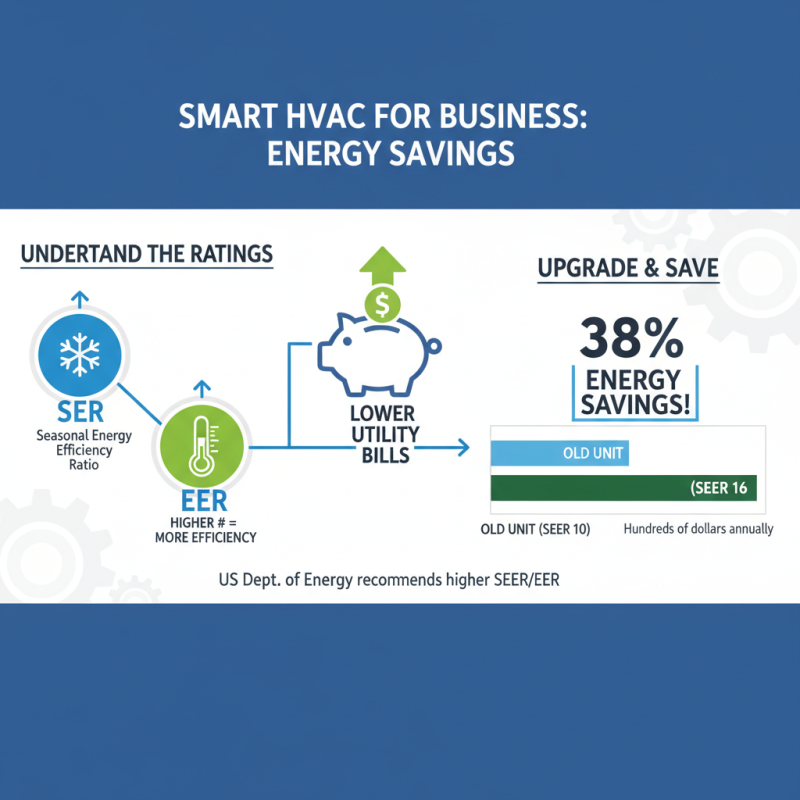
When selecting an HVAC system for your business, understanding energy efficiency ratings is crucial. These ratings, such as the Seasonal Energy Efficiency Ratio (SEER) and the Energy Efficiency Ratio (EER), indicate how well a cooling system converts energy into cooling output. According to the U.S. Department of Energy, systems with higher SEER and EER ratings can significantly reduce energy consumption, leading to lower utility bills. For instance, upgrading from an old HVAC unit with a SEER of 10 to a newer model with a SEER of 16 could lead to energy savings of approximately 38% annually, translating to hundreds of dollars in savings over time.

Moreover, the importance of energy efficiency goes beyond just cost savings; it also impacts environmental sustainability. The Environmental Protection Agency (EPA) states that energy-efficient HVAC systems can reduce greenhouse gas emissions, making them a more environmentally friendly choice for businesses. According to research from the American Council for an Energy-Efficient Economy (ACEEE), implementing energy-efficient technologies in commercial buildings can reduce energy use by 30% or more. Therefore, prioritizing energy efficiency ratings not only enhances operational efficiency but also aligns your business with broader environmental goals, positioning it as a responsible entity in today's increasingly eco-conscious marketplace.

Calculating Long-term Costs vs. Initial Investment

When selecting an HVAC system for your business, it's crucial to consider not just the initial investment but also the long-term costs associated with your choice. Often, a lower upfront cost can lead to higher operating expenses down the line. Therefore, calculating the total cost of ownership (TCO) can provide clearer insights into what system will serve your business efficiently and affordably over time.

Tips:
1. Analyze energy efficiency ratings: Look for systems with high SEER (Seasonal Energy Efficiency Ratio) ratings. These may come with higher initial costs but can lead to significant savings on electricity bills over the system's lifespan.
2. Consider maintenance and repair costs: Some systems require more frequent servicing, which can add up over time. A bit more investment in a robust system can save considerable amounts in repairs and maintenance.
3. Factor in potential tax incentives: Research any local or federal incentives available for energy-efficient installations. This can decrease your initial investment and improve your long-term savings.

By balancing both long-term costs and initial investments, you can make a more informed decision that ensures your HVAC system meets your business's efficiency goals while also preserving your budget.

HVAC System Cost Analysis: Long-term Savings vs. Initial Investment

This chart compares the total 5-year costs of three different HVAC systems. The initial investment and long-term savings are crucial for businesses when making a decision on which system to choose. Analyzing both facets can greatly influence overall efficiency and cost-effectiveness.

Maintenance and Support Considerations for HVAC Systems

When selecting an HVAC system for your business, maintenance and support are crucial aspects that can significantly impact efficiency and cost savings. A well-maintained system operates more effectively, leading to lower energy bills and reduced risk of unforeseen breakdowns. Regular maintenance checks ensure that your HVAC system runs efficiently, which is essential for optimizing your business operations.

**Tips:** Schedule routine inspections at least twice a year to assess the condition of your HVAC system. This proactive approach can help identify potential issues before they become significant problems, ultimately extending the lifespan of your equipment.

Another key consideration is the support you receive from your HVAC service provider. It’s essential to choose a company that offers reliable after-sales support and maintenance contracts. This will not only guarantee timely responses to any service needs but also ensure that any repairs or replacements are handled by skilled technicians.

**Tips:** Look for service providers that offer 24/7 emergency support and flexible maintenance plans to suit your business operations. A solid support system will keep your HVAC running smoothly and save you money in the long run.