What Are the Top 10 Carton Flow Racking Systems?
Choosing among the top 10 Carton Flow Racking Systems requires more than comparing prices or photographs. Each system must match carton size, SKU velocity, replenishment habits, and picking volume. A rack with smooth rollers can move small boxes quickly, while heavier cartons may need stronger lanes and braking controls.
Gwynne Richards, a respected warehouse management author, states, “The warehouse is no longer just a storage facility; it is a strategic asset.” This principle matters on the warehouse floor. A well-designed Carton Flow Racking Systems layout can reduce walking, support FIFO rotation, and keep fast-moving products within easy reach. It may also improve visibility during busy shifts.
Small details often decide performance. Lane depth affects replenishment time. Roller spacing affects carton stability. Label placement affects picking accuracy. Poorly matched cartons can jam halfway down a lane. That happens.
This guide examines ten leading system types and compares their practical strengths. The review considers gravity rollers, wheel tracks, adjustable lanes, modular designs, and solutions for different carton weights. It also considers ergonomics, maintenance, scalability, and installation requirements.
No system is perfect. Even an efficient rack can fail when product data is incomplete or demand changes suddenly. That weakness deserves attention. The best choice depends on measured operating conditions, not attractive claims. By combining supplier specifications, warehouse experience, and real picking data, decision-makers can select a safer and more dependable system for daily use.
What Is a Carton Flow Racking System?
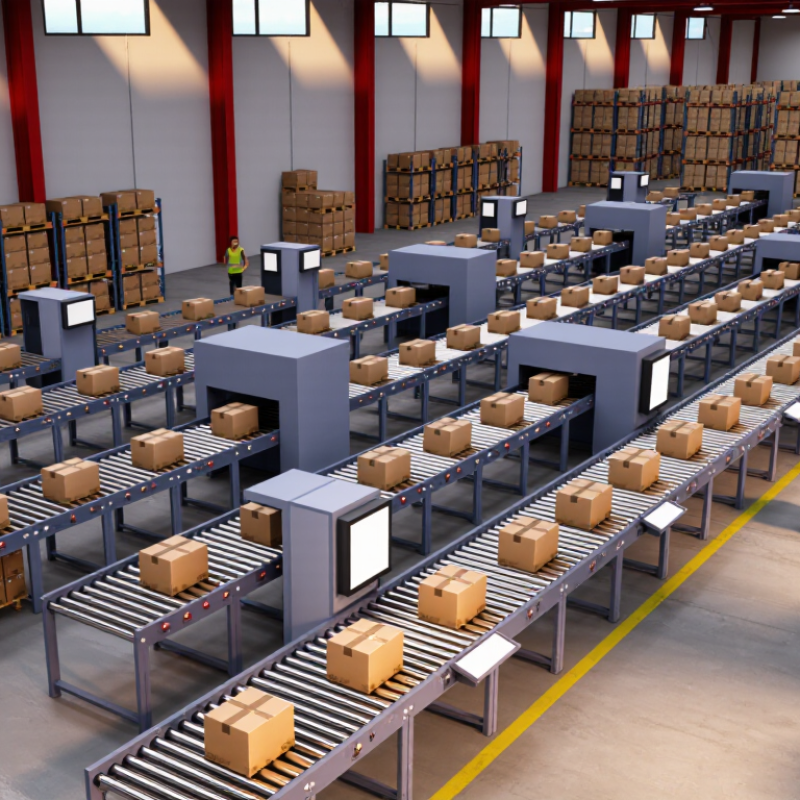
A carton flow racking system is a gravity-fed storage solution for cartons, totes, and small containers. It uses inclined rollers or wheels, allowing products to move from the replenishment side toward the picking aisle. Workers load items from the back and pick them from the front. This supports first-in, first-out rotation when stock is loaded correctly.
The design looks simple. The details matter. A practical system needs steel frames, adjustable lanes, guide rails, brakes, and rear loading access. Carton weight, base shape, and friction determine whether products move smoothly. Lightweight cartons may stop midway. Heavy cartons may accelerate too quickly. I have seen both problems during layout reviews, especially when one lane stores mixed package sizes.
WERC’s 2024 DC Measures report lists median order-picking accuracy at 99.5%, showing how small picking errors can affect warehouse performance. Carton flow can reduce walking and improve product visibility, but it cannot fix poor labeling or inaccurate replenishment. MHI’s 2024 Annual Industry Report, based on feedback from more than 2,000 supply-chain professionals, also identifies productivity and labor pressure as major operational concerns. For that reason, the best choice among the top ten carton flow racking systems depends on aisle depth, SKU velocity, carton dimensions, and required picking accuracy. A perfect configuration is uncommon. Testing one loaded lane is wiser than trusting a catalog drawing.
How Carton Flow Racking Systems Work
Carton flow racking uses slightly inclined roller lanes to move cartons from the loading side toward the picking side. Gravity does the work. Workers place new cartons at the rear, and each carton slowly advances as the front carton is removed. This creates a clear first-in, first-out flow, which suits dated goods, small parts, and fast-moving inventory.
The system usually includes upright frames, support beams, roller tracks, lane dividers, and a front stop. Each lane should match the carton’s width and weight. Lightweight boxes may need closely spaced rollers, while heavier cartons require stronger tracks and reinforced supports. A warehouse technician should test carton movement before full installation. A box that stops halfway can disrupt an entire picking route.
The ten most useful arrangements vary by lane depth, carton size, and replenishment method. Single-lane racks suit narrow product ranges, while multi-lane designs separate many stock-keeping units. Adjustable lanes handle changing carton dimensions. Inclined shelves improve visibility, and brake rollers help control faster loads. Labels should face the aisle, with replenishment instructions placed above each lane. It is not flawless. Dust, damaged cartons, and poor loading habits can reduce flow. Regular cleaning and inspections keep rollers moving and prevent unsafe overhangs. Worker feedback also matters, because a technically efficient rack may still create awkward reaches or slow picking.
The Top 10 Carton Flow Racking Systems Compared
Comparing the top 10 carton flow racking systems requires more than checking load ratings. Each design changes picking speed, carton control, and maintenance effort. Standard roller lanes suit medium cartons and steady replenishment. Wheel-track lanes reduce friction and work well with lighter cartons. Skate-wheel lanes are flexible, but small cartons may wobble. Full-width rollers provide stable movement for wide or uneven boxes. Split-roller lanes allow different carton widths in one bay.
Adjustable-lane systems support changing product sizes without major reconstruction. High-density carton flow uses space efficiently, though access can become restricted. FIFO carton flow keeps older stock moving first, making it suitable for dated goods. Pick-module systems combine carton flow with shelving, conveyors, and workstations. Mobile carton flow creates flexible storage, but rail movement adds cost and inspection needs.
In practical warehouse trials, lane pitch matters as much as frame strength. A shallow pitch may leave cartons stranded near the pick face. Excessive pitch can cause cartons to collide. Dividers help, but poorly adjusted dividers slow every pick. I have seen a strong system underperform because replenishment staff loaded cartons backwards. That detail is easy to miss. Operators should test real cartons, not sample boxes, across several lane lengths. Noise, dust, label placement, and damaged packaging also affect performance. The best comparison records pick rate, replenishment time, jam frequency, and adjustment effort over several operating shifts.
What Are the Top 10 Carton Flow Racking Systems?
The Top 10 Carton Flow Racking Systems Compared
The chart compares common carton flow rack configurations by typical usable lane depth. Gravity roller lanes commonly range from about 4 to 12 feet, depending on carton size, picking frequency, load weight, replenishment method, and available warehouse space. Actual capacity and dimensions should be verified with a storage-system engineer because specifications vary by application.
How to Select the Right Carton Flow Racking System
Choosing the right carton flow racking system starts with your order profile, not a catalog photograph. Review SKU dimensions, carton weights, daily picks, and replenishment frequency. Count the cartons handled during each busy shift. Fast-moving items need wide lanes and smooth product movement. Slow-moving items may need narrower lanes. Small cartons can require wheel beds, while heavier cartons need stronger rollers. Measure aisle width, ceiling height, and available floor space before selecting a layout.
During a site assessment, I compare several racking configurations against actual picking behavior. Gravity rollers support consistent carton movement and simple lane adjustments. Wheel beds can reduce resistance for lighter packages. Adjustable dividers help prevent cartons from leaning or blocking the next item. Include a clear replenishment path. Underestimating restocking traffic is a common planning mistake. It can create congestion beside active pick faces.
Ergonomics also influences the correct choice. Keep frequently picked cartons between knee and shoulder height. Place heavier cartons lower, but avoid forcing workers to bend repeatedly. Check whether lane depth matches the carton’s center of gravity. Cold or humid areas may require corrosion-resistant components. Do not choose maximum density automatically. A dense rack can reduce walking, yet slow replenishment when lanes become difficult to access. A perfect layout rarely exists. Review performance after installation and adjust lane assignments when order patterns change.