Top 10 Aluminium Alloy Suppliers in China for Global Buyers?
The global demand for Aluminium Alloy continues to rise as industries seek lightweight yet durable materials. According to industry reports, the Aluminium Alloy market is expected to reach USD 150 billion by 2026, driven by aerospace, automotive, and construction sectors. China plays a critical role in this market, being the largest producer and supplier of Aluminium Alloy products globally.
With an extensive range of suppliers, global buyers often face challenges in identifying reliable partners. Quality standards vary significantly, and the expertise of suppliers can greatly influence the success of projects. Recognizing top suppliers in China can mitigate risks and enhance supply chain efficiency.
Aluminium Alloy offers distinctive advantages such as corrosion resistance and excellent thermal conductivity. However, buyers must assess suppliers based on experience and quality control processes. Not all suppliers provide the same level of reliability and service. This underscores the importance of comprehensive evaluation when sourcing Aluminium Alloy products.
Overview of Aluminium Alloy Market in China
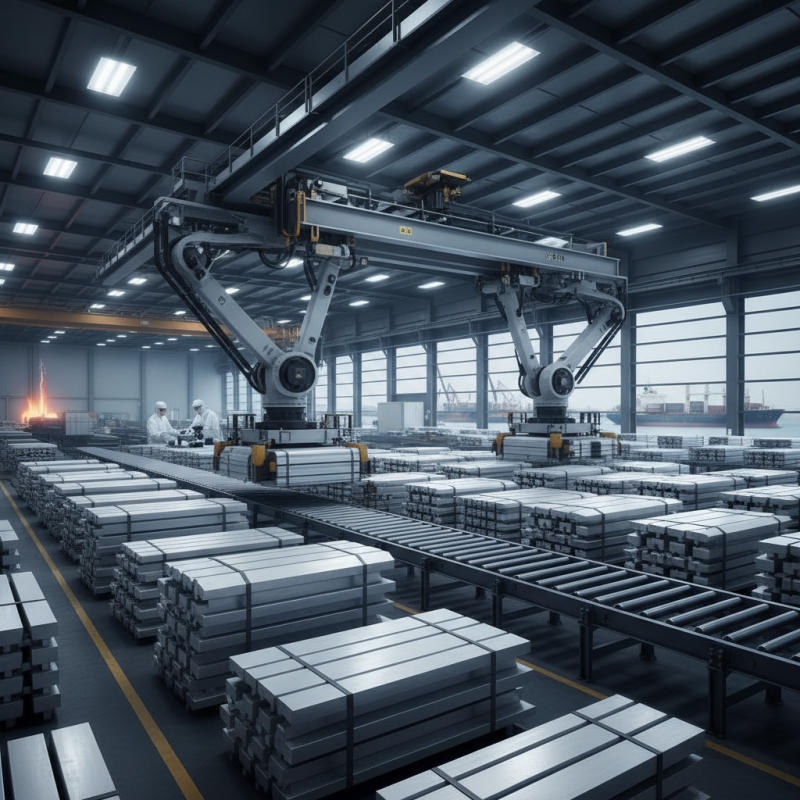
The aluminium alloy market in China is vast and dynamic. It caters to various industries, including automotive, aerospace, and construction. With its rapid industrial growth, China has become a key player in the global aluminium landscape. The demand for lightweight and high-strength materials fuels this growth. Manufacturers are constantly innovating to meet changing consumer needs.
Chinese suppliers offer a range of products, from structural components to intricate parts. Many companies invest heavily in research and development. This fosters advancements in alloy composition and applications. However, attention to quality can vary among suppliers. Some may not meet international standards, raising concerns for global buyers. Understanding each supplier's certification and reputation is crucial. Verifying quality assurance processes can prevent potential issues.
Moreover, the market is influenced by fluctuating raw material prices and trade policies. Buyers should stay informed about these trends. Establishing strong relationships with suppliers is essential. Communication builds trust and can clarify expectations. Yet, navigating the landscape requires diligence and careful selection. Be aware of challenges but also open to opportunities for collaboration.
Criteria for Selecting Reliable Aluminium Alloy Suppliers
When selecting reliable aluminium alloy suppliers, several criteria come into play. Experience is key. Suppliers should have years of industry involvement. This background ensures they understand the nuances of various alloys. It also means they have dealt with diverse client needs. Check their portfolio for past projects. Real-world applications provide insight into their capabilities.
Quality assurance is another vital factor. A trustworthy supplier will follow international standards. Comprehensive testing processes signify commitment to quality. Inquire about certifications and compliance with industry regulations. Responsiveness matters too. A reliable supplier will communicate promptly. They should be willing to address your concerns without hesitation. This openness builds trust.
Lastly, sustainability practices can indicate a responsible supplier. Eco-friendly processes not only benefit the environment but reflect a modern approach to business. Consider suppliers that are transparent about their sourcing and manufacturing methods. This level of transparency fosters confidence. Balancing these factors aids in making an informed choice when sourcing aluminium alloys.
Top 10 Aluminium Alloy Suppliers in China: A Detailed Review
China is a key player in the global aluminium alloy market. According to recent industry reports, China represents over 56% of the global aluminium production. The demand for aluminium alloys is driven by various sectors, including automotive, aerospace, and construction. Companies looking to source aluminium alloys from China benefit from competitive pricing and a wide range of products.
However, not all suppliers have the same level of expertise. Some manufacturers focus heavily on low-cost production, which may compromise quality. Reports indicate that approximately 30% of alloy suppliers struggle to meet international standards. Reliable suppliers often highlight their production certifications and quality control processes.
In recent years, there has been a push towards sustainability in aluminium production. Many suppliers are adopting greener practices, which is a positive trend. But transparency remains an issue. Buyers need to conduct thorough due diligence before partnering with any supplier. Industry-specific challenges, such as fluctuating raw material prices and evolving regulatory frameworks, also require ongoing attention from businesses in this sector.
Exporting Aluminium Alloys: Challenges and Opportunities
Exporting aluminium alloys presents unique challenges and opportunities. China dominates the global aluminium market, producing over 50% of the world's supply according to recent industry reports. However, navigating export regulations can be complex. Many suppliers struggle with compliance, impacting their ability to serve international customers effectively.
Quality control is another concern. A study shows that 30% of exporters face issues with inconsistent material specifications. This inconsistency can damage reputations and lead to costly returns. Buyers must ensure they work with reputable suppliers who adhere to international standards, often requiring audits and extensive vetting processes.
Production capacity also influences the export landscape. Analysts predict that demand for aluminium alloys will increase by 5% annually. However, not all suppliers can scale operations. Some may lack the necessary technology or resources. This discrepancy creates a gap, leaving buyers to sift through varied options. Strong partnerships are vital for success, as they can provide reassurance of quality and timely delivery.
Future Trends in the Aluminium Alloy Supply Industry in China
The aluminium alloy supply industry in China is evolving rapidly. Key trends include increased demand and technological advancements. According to the China Nonferrous Metals Industry Association, the production of aluminium alloys in China rose by approximately 15% in the last year. This growth is driven by the construction, automotive, and aerospace sectors, which increasingly rely on lightweight materials.
Sustainability is another critical trend. The industry aims to reduce its carbon footprint significantly. Reports indicate a push towards recycling aluminium, which can reduce energy consumption by up to 95%. However, challenges remain, such as the need for improved recycling infrastructure. Experts predict that without these improvements, the sustainability goals may be hard to meet.
Moreover, supply chain issues persist. Global disruptions during the pandemic exposed vulnerabilities. As a result, companies are investing in localized sourcing strategies. This shift may enhance reliability but also raises costs. The future landscape of aluminium alloy supply in China will require balancing innovation, sustainability, and economic factors.
Aluminium Alloy Production in China (in Million Tons)