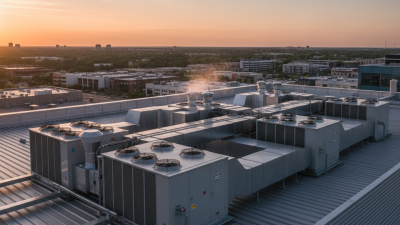
In the modern marketplace, efficient climate control is crucial for businesses. The demand for effective business HVAC solutions is on the rise. According to the U.S. Department of Energy, HVAC systems account for nearly 40% of a building's energy consumption. This significant figure emphasizes the importance of choosing the right solutions.
Businesses face various challenges related to climate control. From soaring energy costs to equipment inefficiencies, these issues can affect the bottom line. Moreover, a poorly functioning HVAC system can lead to employee discomfort. This discomfort may result in lower productivity and higher turnover rates. Reports indicate that optimal indoor temperatures can enhance productivity by up to 10%.
Innovative solutions are available for business HVAC needs. However, many companies struggle to implement effective strategies. Understanding the latest technologies is essential. Many businesses are still using outdated systems. Investing in modern HVAC solutions not only improves efficiency but also promotes sustainability. In an era where eco-friendliness is vital, embracing advanced systems is a necessity, not a choice.
HVAC systems play a crucial role in business environments. They regulate temperature, humidity, and air quality. A comfortable workplace enhances employee productivity and satisfaction. Poor climate control can negatively impact health and morale. Businesses often overlook this vital component, leading to inefficiencies.
Investing in proper HVAC is not merely about comfort. It reduces energy costs over time. A well-maintained system prevents unexpected failures and costly repairs. It also minimizes the risk of illness caused by poor air quality. Yet, many companies struggle with outdated systems or lack of regular maintenance. This can create uncomfortable working conditions.
Monitoring and adjusting HVAC systems might seem tedious, but it’s essential. Small adjustments can lead to significant improvements. Understanding the unique needs of each space is vital. Regular assessments can expose flaws and areas for enhancement. Businesses should not underestimate the impact of climate control on overall operations.
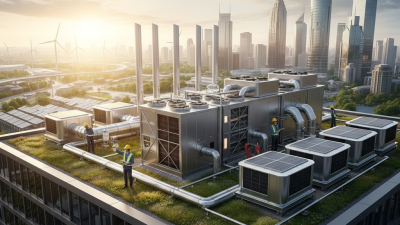
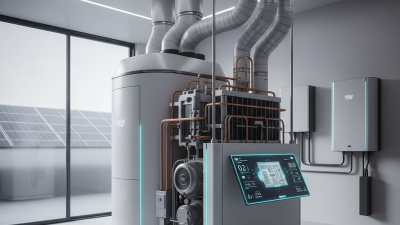
Efficient HVAC solutions play a critical role in climate control for businesses. A well-designed system ensures consistent indoor temperatures. It also manages humidity levels effectively. Businesses benefit greatly from energy-efficient models. These systems help reduce utility costs while providing comfort.
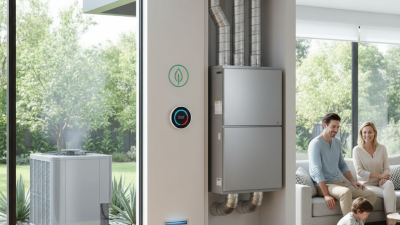
Monitoring capabilities are essential in modern HVAC systems. They allow for real-time adjustments and data collection. Automation can optimize performance based on building occupancy. Despite these advancements, some systems may struggle during peak times. Regular maintenance is crucial to avoid performance dips.
Noise levels are another factor to consider. A quiet system minimizes distractions in the workplace. Yet, some models might be noisier than expected. It's vital to balance comfort and productivity. The right HVAC solution should address all these aspects comprehensively.
| Solution | Key Features | Energy Efficiency Rating | Ideal Environment | Control Type |
|---|---|---|---|---|
| VRF Systems | Multi-zone heating/cooling, inverter technology | A++ | Large commercial spaces | Smart controls |
| Centralized HVAC | Single unit for entire building, ducted system | A+ | Office buildings | Thermostat control |
| Ductless Mini-Split | No ductwork required, easy installation | A+ | Small to medium-sized spaces | Remote control |
| Heat Pumps | Dual function for heating and cooling | A++ | Moderate climates | Smart thermostat |
| Chilled Beams | Active cooling via water, energy efficient | A+ | Large commercial facilities | Automated control systems |
| Variable Volume Air | Adjustable ventilation, energy conservation | A++ | Large offices | Integrated building management |
| Geothermal Systems | Utilizes earth for heat exchange, sustainable | A+++ | All climates | Smart tech integration |
| Evaporative Coolers | Natural cooling through evaporation, low energy use | B | Dry climates | Manual thermosat |
| Smart HVAC Systems | IoT integration, remote monitoring | A++ | Various business types | Mobile apps |
In today's business environment, efficient HVAC systems are essential for maintaining a comfortable climate while minimizing energy costs. Recent studies show that energy-efficient HVAC technologies can reduce energy consumption by up to 30%. This statistic highlights the importance of investing in modern systems that optimize performance and reduce waste.
Variable refrigerant flow (VRF) systems and smart thermostats are at the forefront of these advancements. VRF technology adjusts the refrigerant flow to match the heating and cooling needs of individual spaces. This means that when certain areas require less cooling, the system reduces its energy consumption accordingly. Smart thermostats facilitate better control by learning occupancy patterns, ensuring that businesses only use energy when necessary.
However, not all businesses are adopting these solutions. Many still rely on outdated systems that can increase operational costs. A study indicates that around 40% of commercial buildings operate inefficiently, wasting substantial energy and resources. The transition to energy-efficient HVAC technologies is critical not only for cost savings but also for sustainability. The path forward may not be straightforward for all, but embracing innovation is essential for long-term viability in the competitive business landscape.
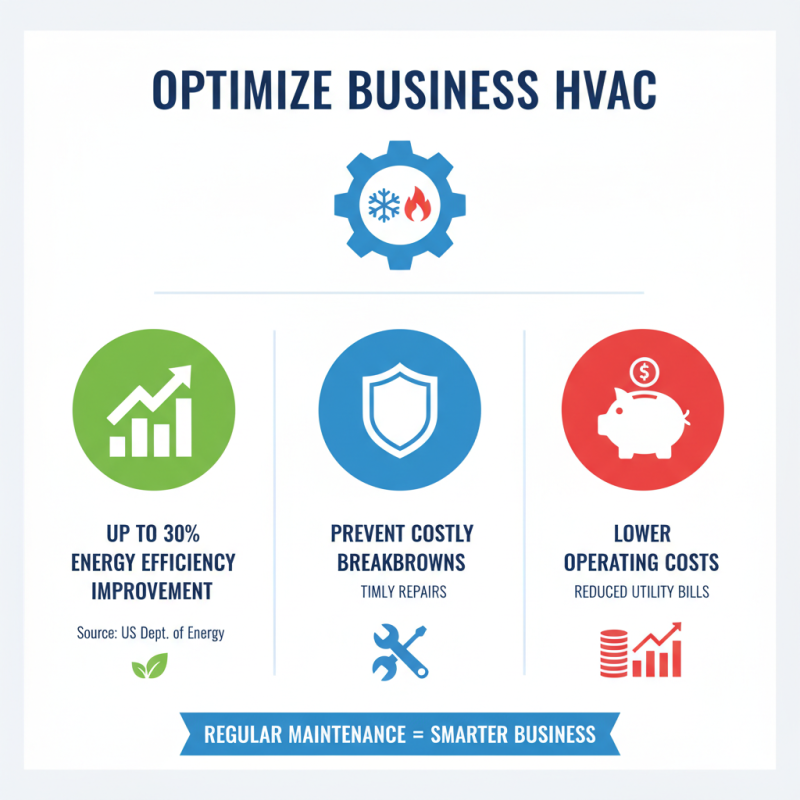
Maintaining business HVAC systems is crucial for efficiency and cost savings. According to the U.S. Department of Energy, proper HVAC maintenance can improve efficiency by up to 30%. Regular checks and timely repairs prevent costly breakdowns. Neglected systems can lead to increased energy consumption and higher bills.
Tips: Schedule routine inspections bi-annually. Small fixes can avoid big problems later.
Air filters are vital for system performance. A dirty filter restricts airflow, causing the system to work harder. The EPA suggests changing filters every 1-3 months. This simple step ensures better air quality and energy savings.
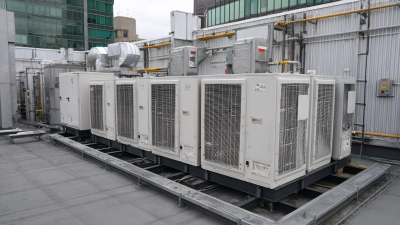
Also, keep the outdoor unit clear of debris. This allows for proper air circulation. Research indicates that a clean unit can operate up to 15% more efficiently. Don't overlook these details, as they impact your bottom line.
Tips: Inspect the area around the unit monthly. Remove leaves, dirt, and snow buildup. Regular cleaning can extend the system's lifespan.
Investing in upgraded HVAC solutions can be wise for many businesses. Energy efficiency is a big draw. New systems can significantly lower energy costs. A well-functioning HVAC system keeps employees comfortable. Productivity tends to rise when temperatures are controlled well. The upfront costs may seem high, but the long-term savings add up.
However, not every upgrade yields the same return. Some systems may require more maintenance. Businesses must weigh installation costs against potential savings. Return on investment varies by industry and building size. It’s essential to consider these factors before making a choice. Data on energy consumption can guide these decisions.
Moreover, overlooking smart technology can be a mistake. Smart controls optimize energy use based on real-time data. They can adapt to changing conditions. Such features might come at a premium, but the benefits are often compelling. Achieving the right balance between costs and benefits requires careful analysis. Each business’s needs differ, and there isn’t a one-size-fits-all solution.
This bar chart illustrates the cost-benefit analysis of investing in upgraded HVAC solutions based on energy efficiency, initial investment, and annual savings.