
In the evolving landscape of manufacturing, the importance of reliable components cannot be overstated. Piston bolts play a crucial role in various applications, especially in automotive and machinery sectors. As we look ahead to 2026, potential clients and industry stakeholders must evaluate their options. Renowned industry expert, James Anderson, a leading voice in the field, emphasizes, "Choosing the right Piston Bolt Manufacturer can significantly impact performance and durability."
Industry trends suggest that not all manufacturers adhere to the same quality standards. Some producers deliver outstanding products, while others fall short. It is essential to consider factors like the materials used, the manufacturing process, and customer reviews. Key brands have emerged as leaders, but even established names may face challenges regarding consistency. Therefore, thorough research is necessary to navigate this market effectively.
In an industry where precision is paramount, making a hasty decision can lead to costly errors. It's worth reflecting on previous selections and contemplating how they could have been improved. Clients should prioritize manufacturers who demonstrate transparency in their production practices and commitment to excellence. This approach not only ensures the reliability of the piston bolts but also fosters long-term partnerships built on trust and quality.
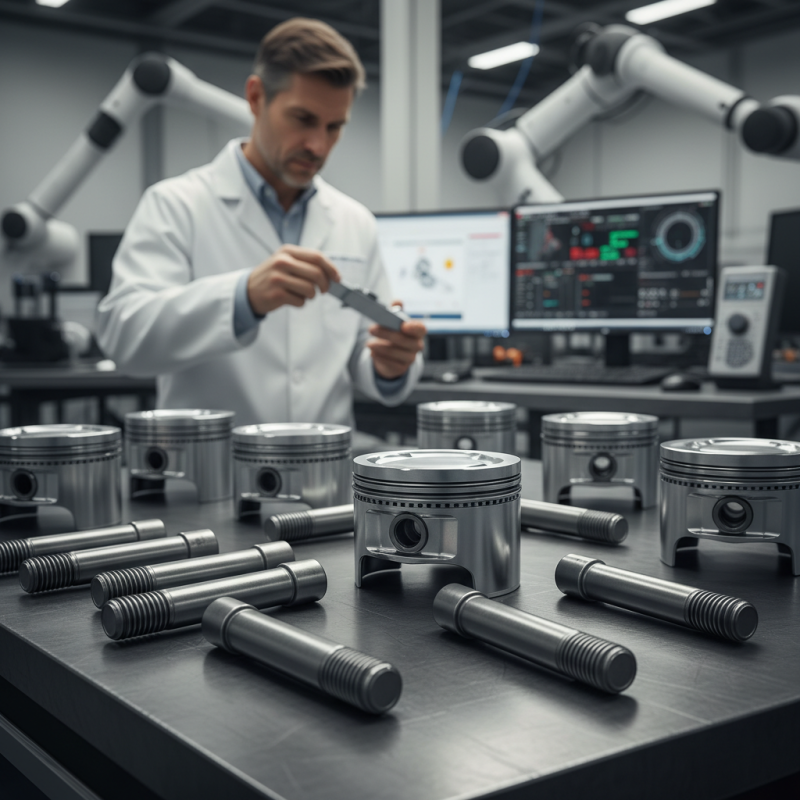
In 2026, the piston bolt manufacturing industry is poised for significant advancements. Companies will focus on innovative materials that enhance durability and performance. High-strength alloys will become increasingly popular, providing better resistance to wear and fatigue.
Understanding the factors that influence quality is essential. Certification processes and adherence to industry standards will play a critical role. Buyers need to consider not only the manufacturing techniques but also the reputation of the manufacturers. Trust and reliability are key metrics.
As manufacturers adopt automation, quality control becomes even more vital. Automated systems may reduce human errors but also introduce new challenges. Manufacturing consistency is something to watch. Buyers must ensure that the chosen manufacturers can meet both specific needs and broader industry standards.
When selecting a piston bolt manufacturer, several key factors come into play. Quality assurance is crucial. A reliable manufacturer should adhere to strict quality control processes. Check for certifications that indicate a commitment to excellence. This can often reflect their experience in the industry.
Another important consideration is the range of materials offered. Different applications require specific materials for optimal performance. Understanding the types of alloys or coatings available can greatly influence your manufacturing process.
Tips: Always ask for material specifications. Request samples to evaluate their suitability. Engaging in discussions with the manufacturer can reveal their level of expertise.
Delivery times cannot be overlooked. A good manufacturer should provide realistic timelines. Delays can lead to increased costs and project disruptions. A consistent track record in meeting deadlines often showcases reliability.
Tips: Inquire about their production capabilities. Be cautious of promises that seem too good to be true. It's essential to weigh their production speed against quality standards.
This chart illustrates the key factors to consider when selecting piston bolt manufacturers in 2026. The ratings reflect the importance of quality, production capacity, pricing, delivery time, and customer service in the manufacturing process.
The piston bolt manufacturing sector is evolving rapidly. One notable trend is the adoption of advanced materials to enhance durability and performance. According to the latest industry report by Market Insights, the use of titanium and composite materials is projected to grow significantly in 2026. These materials provide better strength-to-weight ratios, which is crucial for high-performance engines.
Innovative manufacturing technologies, such as 3D printing, are also gaining traction. They allow for more complex designs and precise engineering, leading to cost-effective production. Data from TechVision indicates that the 3D-printed parts market is expected to reach $50 billion by 2026. This shift enables manufacturers to create custom solutions faster than traditional methods.
Tip: Always stay up to date with the latest manufacturing processes. Regular training sessions for technical staff can improve skill sets and efficiency.
Another consideration is the emphasis on sustainability. As environmental regulations tighten, manufacturers need to adopt eco-friendly practices. Progress in robot automation is making it easier to reduce waste and energy consumption. Developing a comprehensive sustainability strategy will not only comply with regulations but also appeal to eco-conscious clients.
Tip: Explore collaborations with sustainability experts. They can provide valuable insights into best practices and innovative approaches for reducing environmental impact.
When evaluating piston bolt production, quality standards play a crucial role. Materials used must withstand extreme conditions. Steel alloys are popular in high-performance applications. However, not all manufacturers adhere to rigorous testing. This can lead to compromised safety and performance.
Tips: Always check for certifications. Look for ISO or similar quality management certifications. These indicators can assure you of a manufacturer’s commitment to quality.
Moreover, tolerances in manufacturing define the precision of piston bolts. The tighter the tolerances, the better the fit and function. Some manufacturers may neglect this aspect to reduce costs. This can impact engine performance significantly.
Tips: Understand the manufacturing process. Familiarize yourself with machining techniques. Knowledge of these processes can help identify reputable manufacturers.
Finally, the role of testing cannot be overlooked. Regular inspections and batch testing ensure reliability. Some companies may skip these to save time or money. Always ensure that stringent quality checks are in place before making a decision.
As we look towards 2026, the piston bolt manufacturing sector is expected to evolve significantly. Several key trends may influence this industry's landscape. Automation and advanced manufacturing techniques will likely become more prevalent. These technological advancements promise improved efficiency and consistency in production processes. However, the initial investment may pose challenges for smaller manufacturers.
Sustainability will be another crucial factor. There is a growing demand for eco-friendly materials and practices. Companies focusing on sustainable solutions may gain a competitive edge. Yet, transitioning from traditional methods requires careful planning and commitment. The risk of increased costs may deter some manufacturers.
Market predictions also indicate a shift towards customization. Many industries require tailored solutions for specific applications. Manufacturers that can adapt to these unique demands will be better positioned. This flexibility may lead to greater customer satisfaction and loyalty. However, balancing standardization with customization presents its own set of challenges. Agility and strategic thinking will be essential for success in this shifting market.