How to Upgrade Your HVAC System for Better Efficiency and Comfort in 2025
As we approach 2025, the need to upgrade HVAC systems is becoming increasingly vital for homeowners seeking enhanced efficiency and comfort. According to HVAC industry expert, Dr. Jessica Liu, "An efficient HVAC system not only improves indoor air quality but also significantly reduces energy costs, making it a win-win for both comfort and the environment." This insight underscores the importance of upgrading HVAC systems to adapt to the evolving demands of modern living.
The journey to upgrade HVAC systems involves understanding the latest technologies and strategies that facilitate optimum performance. Integrating smart thermostats, advanced filtration, and variable speed motors can revolutionize the way we experience heating and cooling in our homes. Implementing these upgrades not only enhances comfort but also positions households to be more environmentally responsible and financially savvy.
As we navigate an era of increased awareness regarding energy consumption and climate impact, homeowners are encouraged to consider the long-term benefits of upgrading their HVAC systems. By prioritizing energy efficiency, we can ensure a more sustainable future while enjoying a comfortable living environment, thus making the decision to upgrade HVAC system an essential step for every household in 2025.

Understanding the Importance of HVAC System Upgrades for 2025
Upgrading your HVAC system is crucial in
2025, as the emphasis on energy efficiency and indoor comfort intensifies.
With increasing awareness of climate change and the need for sustainable practices, homeowners and businesses alike are seeking systems
that not only reduce energy consumption but also enhance air quality and comfort levels.
Modern HVAC upgrades can include advanced thermostats, better filtration systems, and high-efficiency units, all of which contribute
to a healthier living environment while lowering operational costs.
Furthermore, upgrading your HVAC system can significantly impact your property’s value and resale potential. A well-maintained,
efficient system is a strong selling point for potential buyers who prioritize
cost-effective living. Moreover, as regulations evolve, older systems may not
comply with new efficiency standards, potentially leading to costly fines or required upgrades. By investing in an updated
HVAC system now, you ensure compliance and future-proof your investment, allowing you to enjoy better comfort and savings for years to come.
Evaluating Current HVAC System Efficiency and Comfort Level
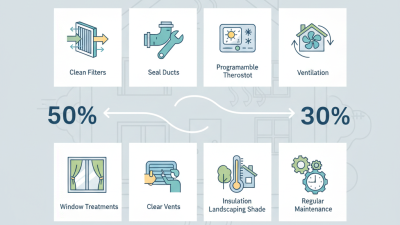
When considering an upgrade to your HVAC system, evaluating your current system's efficiency and comfort level is paramount. According to the U.S. Department of Energy, heating and cooling account for nearly 50% of energy use in the average American home. It’s essential to assess your system's seasonal energy efficiency ratio (SEER) and energy efficiency ratio (EER) ratings, which provide insight into its effectiveness. Systems with a SEER rating of 14 or above are generally considered efficient, while those below may contribute to higher energy bills and reduced comfort.
In addition to just energy efficiency, comfort is a crucial element to consider. A 2021 report by the American Society of Heating, Refrigerating and Air-Conditioning Engineers (ASHRAE) highlights that maintaining optimal indoor temperatures and humidity levels significantly affects occupant comfort and well-being. If your current HVAC system struggles to maintain consistent temperatures or leads to excessive humidity, it may be time to evaluate your options for upgrades. Strategies like zoning systems, programmable thermostats, and enhanced filtration systems can help improve both efficiency and comfort, ensuring a more pleasant living environment while optimizing energy consumption.
HVAC System Efficiency and Comfort Levels in 2025
Exploring Energy-Efficient HVAC Technologies Available in 2025
As we approach 2025, the landscape of HVAC technology continues to evolve, promising significant improvements in energy efficiency and indoor comfort. One of the most anticipated advancements is the adoption of variable refrigerant flow (VRF) systems, which allow for precise temperature control in different zones of a building. According to the U.S. Department of Energy, VRF systems can achieve energy savings of up to 30% compared to traditional HVAC systems. This technology optimizes energy use by adjusting flow rates according to the heating and cooling demands of individual spaces, making it ideal for residential and commercial applications alike.
Additionally, the integration of smart HVAC solutions is set to transform how we manage indoor climates. Smart thermostats and IoT-enabled devices can learn user preferences and adjust settings automatically. Research by the American Council for an Energy-Efficient Economy (ACEEE) indicates that homes with smart thermostats can save between 10-20% on heating and cooling costs. Coupled with energy recovery ventilators (ERVs), which capture energy from exhausted air to precondition incoming air, these technologies are paving the way for a more sustainable approach to home and building comfort in 2025. With a focus on reducing greenhouse gas emissions and enhancing energy efficiency, the HVAC industry is poised for a transformative shift that prioritizes both cost-effectiveness and environmental responsibility.
Step-by-Step Guide to Selecting the Right HVAC System for Your Home
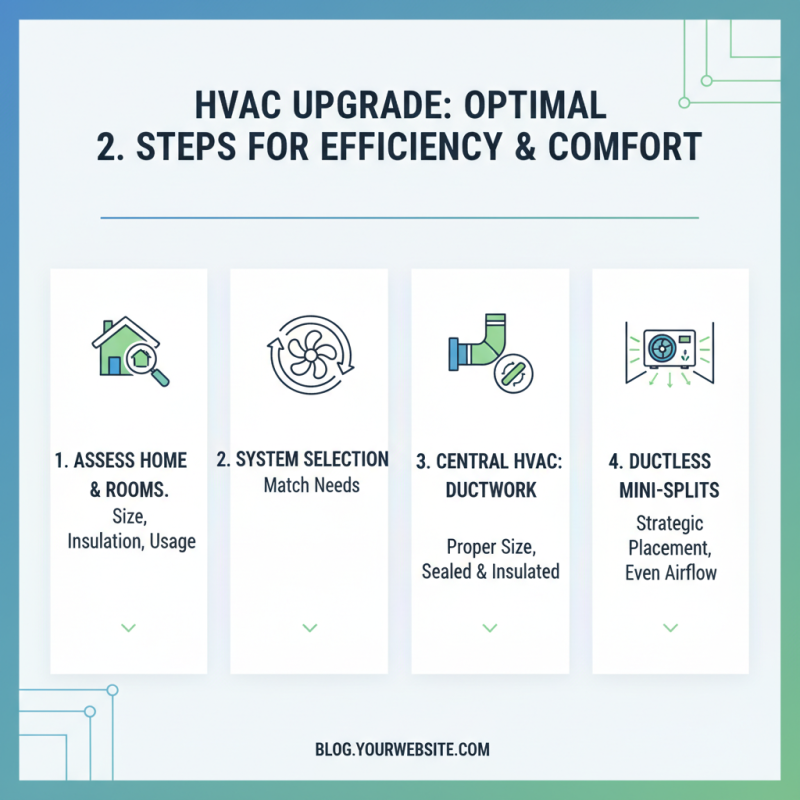
When selecting the right HVAC system for your home, the first step is to assess your specific heating and cooling needs. Begin by evaluating the size of your home, the climate in your area, and your family’s lifestyle. Consider factors such as the number of rooms, insulation quality, and existing ductwork. A thorough energy audit can help identify areas that may need improvement, ensuring that you choose a system that provides optimal efficiency and comfort.
Next, research the different types of HVAC systems available, including central air systems, ductless mini-splits, and heat pumps. Each system offers unique benefits suited for various home layouts and climates. Pay attention to the system’s energy efficiency ratings, such as SEER (Seasonal Energy Efficiency Ratio) for cooling and HSPF (Heating Seasonal Performance Factor) for heating. These ratings can help you compare options and find a model that minimizes energy consumption while maintaining your desired comfort levels. Don’t forget to consider additional features like smart thermostats and air purification systems, which can further enhance your home’s indoor air quality and energy efficiency.
How to Upgrade Your HVAC System for Better Efficiency and Comfort in 2025
| Aspect |
Details |
| Energy Efficiency Rating |
SEER (Seasonal Energy Efficiency Ratio) of at least 16 |
| Air Quality Features |
HEPA filters and UV light options to reduce allergens |
| Thermostat Type |
Smart thermostat with remote access capability |
| Ductwork Condition |
Check for leaks and consider a redesign for improved airflow |
| System Type |
Central heating and cooling or ductless mini-split systems |
| Installation Considerations |
Professional installation to ensure compliance with local codes |
| Maintenance Schedule |
Regular maintenance every 6 months for optimal performance |
| Budget Considerations |
Initial cost vs long-term energy savings analysis |
Tips for Installing and Maintaining Your Upgraded HVAC System
When upgrading your HVAC system, proper installation is crucial for achieving optimal efficiency and comfort. Begin by evaluating the layout of your home and the specific needs of each room. Consider factors such as size, insulation, and usage patterns when selecting the right system. If you’re opting for a central HVAC system, ensure that the ductwork is not only properly sized but also sealed and insulated to prevent energy loss. For more localized solutions, such as ductless mini-split units, make sure to place indoor units strategically so that airflow distributes evenly throughout the spaces.
Once your upgraded HVAC system is installed, regular maintenance is essential to keep it running efficiently. Schedule annual inspections from a qualified technician to clean components, check for leaks, and replace any worn parts. Additionally, homeowners should take proactive steps themselves, like regularly replacing air filters and cleaning condenser coils. Keeping the system clean and well-maintained not only improves indoor air quality but also extends the lifespan of the system, ensuring comfort and efficiency for years to come. Adopting these measures will help you make the most out of your upgraded HVAC system in 2025.